
Tess’s Moral Self-Judgment
Tess of the d'UrbervillesThis flow traces Tess’s movement from inherited shame toward a final, tragic belief that suffering is punishment she must accept.
increasing Bearing strength in each event
 decreasing
Bearing strength in each eventdecreasingA Child of Emotion

A Child of Emotion
The young Tess
At the opening, Tess is a lively young woman still close to childhood. She feels shame when her father makes a spectacle of himself, but she also shows fierce loyalty to her family.
A future not yet understood
Her brief encounter with Angel at the dance awakens romantic feeling without changing her practical life. She has not yet learned how the world’s judgments will reshape her view of herself.
The Burden of the Accident
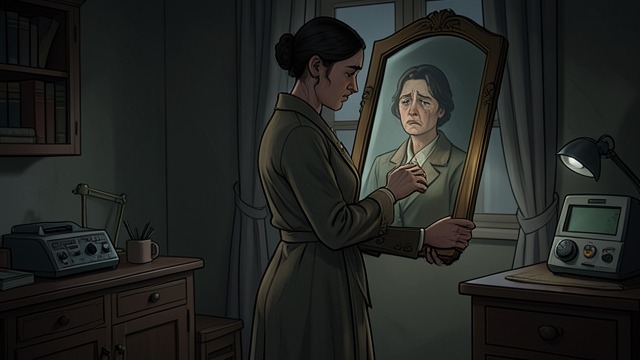
The Burden of the Accident
Guilt after Prince’s death
After the collision kills Prince, Tess judges herself more harshly than her parents do. She sees the loss as a consequence of her own failure, although the accident arose from several circumstances beyond her control.
Duty becomes self-punishment
This response helps explain why she accepts the journey to The Slopes and later treats hardship as something she must bear. Her conscience is generous, but it is also vulnerable to blame.
Retreat from Public View
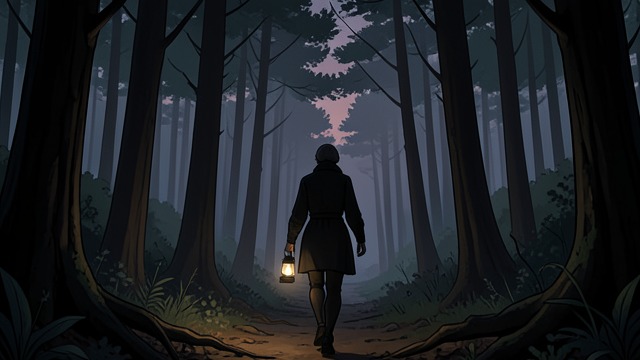
Retreat from Public View
Shame imposed from outside
Tess withdraws from ordinary village life as gossip follows her return. The burden is not simply regret about Alec; she also absorbs the belief that other people can define her worth by what happened to her.
Nature offers temporary ease
At dusk and night she feels less watched in fields and woods. Hardy presents her sense of guilt as partly produced by convention, not as an objective stain in the natural world.
A Vow Against Marriage
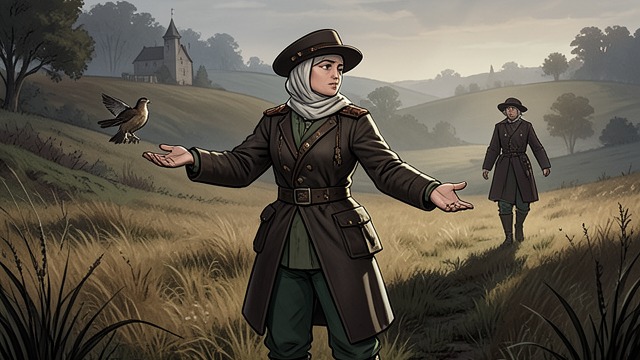
A Vow Against Marriage
Love meets conscience
Tess loves Angel but repeatedly refuses his proposals because she believes he deserves to know her past. She regards disclosure as an obligation and silence as a possible betrayal.
Desire weakens resolve
Her longing for Angel grows stronger as he continues to press for marriage. She finally agrees without telling him, then tries to confess before and after the wedding, but circumstances repeatedly interrupt her.
Acceptance at Stonehenge
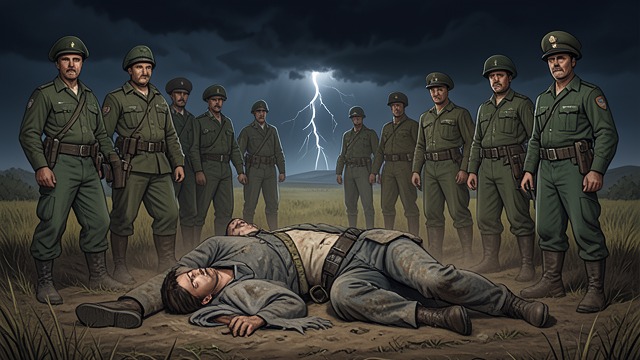
Acceptance at Stonehenge
Flight ends in capture
After killing Alec and escaping with Angel, Tess rests among the stones at Stonehenge. Armed officers surround the sleeping couple as daylight reveals their position.
A final surrender
Tess asks whether they have come for her and then calmly accepts arrest. Her relief that her happiness will not have to survive Angel’s renewed judgment is inseparable from exhaustion and despair.
the May Day dance in Marlott
before dawn, during the beehive journey
the months after Tess returns from Trantridge
during the courtship at Talbothays Dairy
at dawn, near the novel’s ending
